

A bushcraft knife is a fixed blade knife designed for practical wilderness tasks like carving wood, preparing fire, building shelter, and handling food outdoors. It is built for control, durability, and all-around utility in natural environments. Most bushcraft knives feature a blade length between 3.5 and 6 inches, which provides the ideal balance between precision and power. This size allows you to perform detailed tasks like feather sticking and carving, while still being strong enough for batoning wood and cutting branches.
A true bushcraft knife is made for real outdoor work. It can be used to:
- Carve and shape wood
- Start fires using feather sticks
- Split small logs with batoning
- Build shelters and traps
- Prepare food in the wild
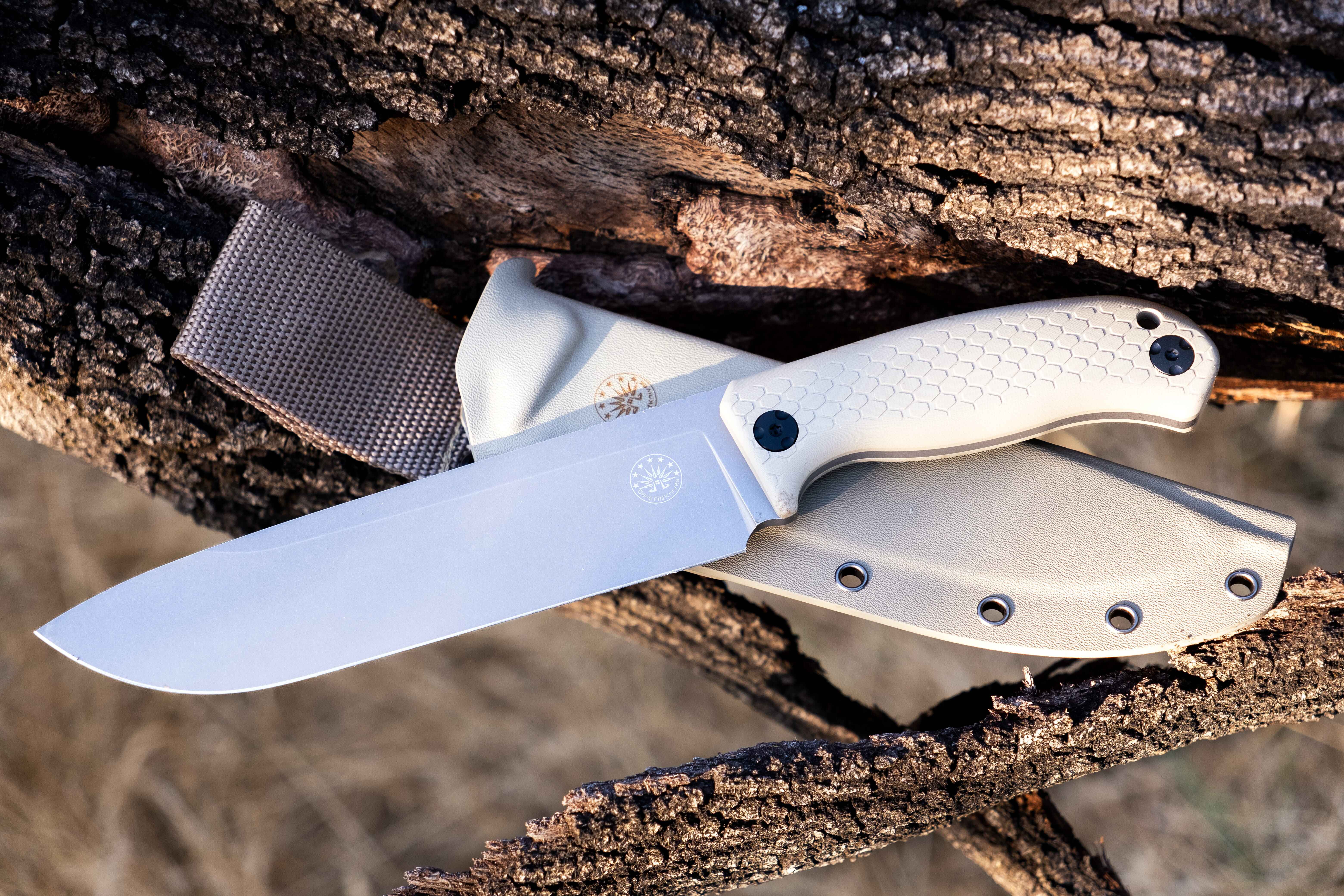
What Makes a Good Bushcraft Knife?
A high-quality bushcraft knife is defined by strength, control, and reliability. Every detail matters because this tool is used for real outdoor work—not light cutting.
Fixed Blade Construction
A true bushcraft knife is always a fixed blade. It provides maximum strength and stability for demanding tasks like batoning and carving. There are no moving parts, which means less risk of failure in the field.
Full Tang Design
A full tang knife extends through the entire handle, giving you better balance, durability, and confidence when applying force. This is essential for long-term outdoor use.
Premium Blade Steel
- Cryo D2 steel offers excellent edge retention and toughness, making it ideal for heavy-duty tasks.
- Sandvik 14C28N provides a great balance of sharpness, corrosion resistance, and easy maintenance—perfect for wet or humid environments.
Blade Shape (Drop Point)
A drop-point blade is the preferred shape for bushcraft. It offers:
- Strong tip for durability
- Better control for carving
- Versatility across multiple tasks
Blade Length (3.5 to 6 Inches)
This range gives you the best of both worlds:
- Shorter blades for precision work
- Longer blades for power and batoning
Handle Material (G10)
G10 handles are tough, lightweight, and provide a secure grip even in wet or cold conditions. Comfort and control are critical during extended use.
Plain Edge Blade
A plain edge is essential for bushcraft. It delivers clean, accurate cuts, making it perfect for carving, creating feather sticks, and preparing food.
Best 8 Bushcraft Knives You Can Rely On
These fixed blade knives are designed for real bushcraft performance—whether you're carving, building, or surviving outdoors.
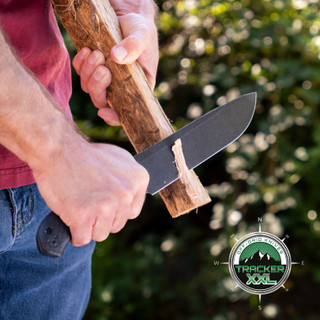
TRACKER XXL
Built for power and versatility, the TRACKER XXL is ideal for heavy-duty bushcraft. It excels at chopping, batoning, and processing wood while still allowing controlled cuts when needed.
Specifications
- Blade Steel: Cryo D2
- Blade Style: Drop point
- Blade Length: 7.5 Inches
- Blade Width: 1.853 Inches
- Full Length: 13.25 Inches
- Weight: 14 oz
- Blade Edge: Plain Edge
- Handle Material: G10
- Sheath Material: Kydex
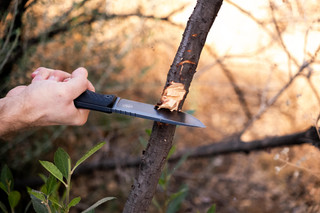
TRACKER X3
A more compact and refined version of the Tracker design. It offers excellent control while maintaining enough strength for demanding work.
Specifications
- Blade Steel: Cryo D2
- Blade Style: Drop point
- Blade Length: 5.5 Inches
- Blade Width: 1.875 Inches
- Full Length: 10.75 Inches
- Weight: 13 oz
- Grind: Full Flat Grind
- Blade Edge: Plain Edge
- Handle Material: G10
- Sheath Material: Kydex
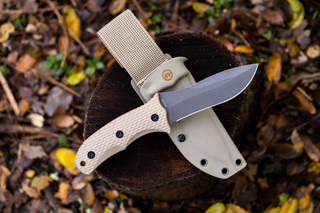
BACKCOUNTRY V2
Designed for extended outdoor trips, the BACKCOUNTRY V2 delivers durability and reliability in all conditions. It’s a dependable all-around bushcraft knife.
Specifications
- Blade Steel: Cryo D2
- Blade Style: Drop point
- Blade Length: 4.5 Inches
- Blade Width: 1.375 Inches
- Full Length: 9.25 Inches
- Weight: 10 oz
- Blade Edge: Plain Edge
- Handle Material: G10
- Sheath Material: Kydex
SIDEKICK
Compact, lightweight, and easy to carry, the SIDEKICK is perfect for precision tasks and everyday outdoor use.
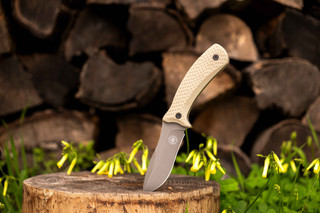
Specifications
- Blade Steel: Sandvik 14C28N
- Blade Style: Drop point
- Blade Length: 3.5 Inches
- Blade Width: 1 inch
- Full Length: 7.75 Inches
- Weight: 5.1 oz
- Blade Edge: Plain Edge
- Handle Material: G10
- Sheath Material: Kydex
TRAILGUARD
Engineered for control and safety, the TRAILGUARD performs exceptionally well in detailed bushcraft tasks like feather sticking and wood carving.

Specifications
- Blade Steel: 7Cr17MoV Stainless
- Blade Style: Drop point
- Blade Length: 4.75 Inches
- Blade Width: 1.35 inches
- Full Length: 9.2 Inches
- Weight: 8 oz
- Blade Edge: Plain Edge
- Handle Material: G10
- Sheath Material: Kydexf
CAIMAN XXL
A large, aggressive blade built for extreme conditions. It handles tough cutting, splitting, and heavy-duty bushcraft tasks with ease.

Specifications
- Blade Steel: Cryo D2
- Blade Style: Bowie
- Blade Length: 7 Inches
- Blade Width: 2 inches
- Full Length: 12.1 Inches
- Weight: 15.5 oz
- Blade Edge: Plain Edge
- Handle Material: G10
- Sheath Material: Kydex
GRIZZLY V2
A rugged and versatile knife that balances strength and control. It performs well across a wide range of bushcraft activities.

Specifications
- Blade Steel: Sandvik 14C28N
- Blade Style: Reverse Tanto
- Blade Length: 6.125 Inches
- Blade Width: 2.187 inches
- Full Length: 11 Inches
- Weight: 11.1 oz
- Blade Edge: Plain Edge
- Handle Material: G10
- Sheath Material: Kydex
ALPHA DOG
Reliable, practical, and built for consistent performance. The ALPHA DOG is a strong choice for both beginners and experienced users.

Specifications
- Blade Steel: Cryo D2
- Blade Style: Drop Point
- Blade Length: 4.5 Inches
- Blade Width: 2 inches
- Full Length: 10 Inches
- Weight: 14.6 oz
- Blade Edge: Plain Edge
- Handle Material: G10
- Sheath Material: Kydex
Common Uses of a Bushcraft Knife
A bushcraft knife is one of the most versatile outdoor tools. It is designed to handle a wide range of practical tasks in the wild:
- Carving wood for tools, utensils, and stakes
- Making feather sticks for fire starting
- Batoning wood to split logs into kindling
- Building shelters using branches and natural materials
- Preparing and processing food outdoors
- Cutting rope, cordage, and vines
- Sharpening sticks for traps or cooking
- Crafting traps and bushcraft tools
- Cleaning fish and small game
- Notching wood for structural building
- Scraping bark for tinder
- Creating tent pegs and support stakes
- Opening packages and general campsite tasks
- Light chopping and trimming branches
- Emergency survival tasks when no other tools are available
Bushcraft Knives vs Survival Knives: What’s the Difference?
A bushcraft knife is intended for activities that require skill and practice in the outdoors, while a survival knife is made for situations that are severe and may be life-threatening.
Bushcraft Knife
- It is focused on precision and control.
- It is great for tasks like carving wood, woodworking, and preparing fire.
- It usually has a thinner blade.
- It is designed for detailed and repetitive work.
- The typical blade length ranges from 3.5 to 6 inches
Survival Knife
- It is made for extreme and emergency scenarios.
- It is built to last and can handle heavy tasks.
- It often has a thicker and stronger blade.
- It may come with extra features like serrations or hollow handles.
- It is not as suited for fine carving tasks.
Frequently Asked Questions:
What is a bushcraft knife used for?
A bushcraft knife is used in outdoor survival situations such as cutting wood, making fire, preparing food, constructing shelter, and various other wilderness activities.
Why are fixed-blade knives better for bushcraft?
Fixed-blade knives are more durable, dependable, and safe for tasks like batoning and chopping, which makes them perfect for bushcraft use.
What size knife is best for bushcraft?
A blade length that is between 3.5 and 6 inches is generally considered ideal, providing a good balance between control and power.
Can I use a bushcraft knife for survival?
Yes. A bushcraft knife is among the most essential tools for survival and can manage a variety of important tasks in the wild.
What is the best steel for a bushcraft knife?
Cryo D2 and Sandvik 14C28N are excellent blade steels for bushcraft knives. They should be easy to sharpen and capable of withstanding harsh outdoor conditions.
Is a large knife better for bushcraft?
Not necessarily.Larger knives are better for chopping, but medium-sized knives offer more versatility and control.
How do I maintain a bushcraft knife?
Keep it clean, dry, and sharpened regularly. Proper storage will help ensure it stays in good condition for a long time.