


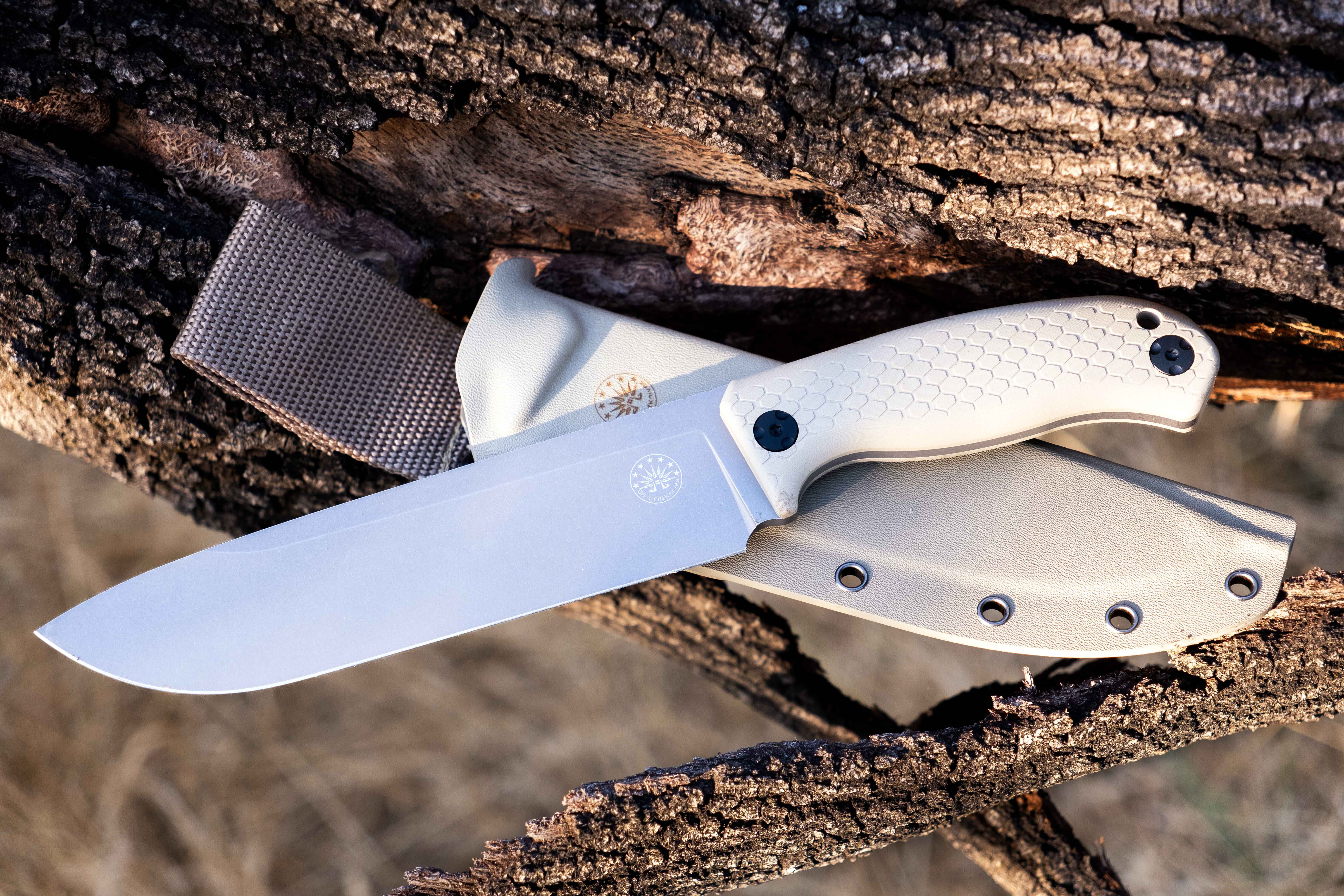
8 Best Bushcraft Knives in 2026
Posted by Emran Hossen on Mar 25th 2026
The Ultimate Expert Guide for Survival, Camping & Outdoor Mastery
Find the best bushcraft knives fast.
Choosing the right bushcraft knife can make every outdoor task easier, safer, and more efficient. Whether you're carving wood, starting a fire, or building a shelter, the right blade improves your control and performance in the wild. In this guide, you’ll discover what makes a great bushcraft knife, how to choose the right one for your needs, and a carefully selected list of the 8 best bushcraft knives built for real-world use.
What Is a Bushcraft Knife?
A bushcraft knife is a fixed-blade tool designed for wilderness survival tasks like carving, fire-making, food prep, and shelter building. Unlike tactical or hunting knives, bushcraft knives focus on control, durability, and versatility rather than combat or heavy-duty chopping.
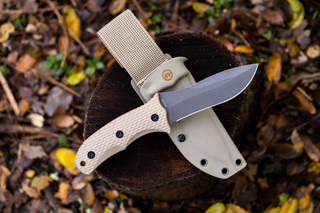
Key Characteristics:
- Fixed blade for strength and reliability
- Sharp spine for fire-starting (ferro rod use)
- Comfortable grip for extended use
- Balanced blade for precision work
What Makes a Good Bushcraft Knife?
Choosing the right bushcraft knife can make or break your outdoor experience. Here are the most important factors:
1. Blade Steel
The steel determines how well your knife holds an edge and resists wear.
- Cryo D2 Steel: Excellent edge retention, tough, semi-stainless
- 14C28N Steel: Corrosion-resistant, easy to sharpen
- High Carbon Steel: Razor sharp but requires maintenance
The best bushcraft knives strike a balance between edge retention and ease of sharpening in the field.
2. Blade Length
Most bushcraft knives fall between 3.5 to 6 inches.
- Short blades = better control (carving, feather sticks)
- Longer blades = more power (batoning, wood splitting)
3. Blade Shape
Different shapes serve different purposes:
- Drop Point: Most versatile for bushcraft
- Clip Point: Good for detail work
- Tracker Style: Multi-functional for chopping and carving
4. Grind Type
- Scandi Grind: Best for beginners and wood carving
- Flat Grind: Versatile and easy to maintain
5. Handle Comfort
Look for:
- Ergonomic design
- Non-slip materials (G10,Tatanium)
- Full tang construction for durability
8 Best Bushcraft Knives for 2026
Here are the top-performing bushcraft knives designed for serious outdoor users. Each knife below is built for reliability, performance, and real-world survival.
1. TRACKER XXL
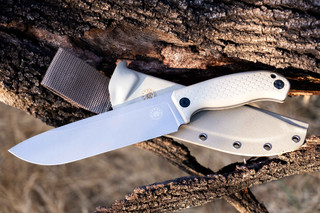
A powerhouse designed for extreme bushcraft tasks.
- Large blade for chopping and splitting
- Multi-purpose design for survival scenarios
- Ideal for experienced outdoorsmen
2. TRACKER X3
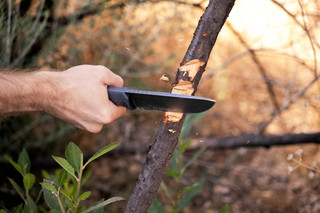
Tracker X3 is a perfect bushcraft knife, offering versatility without sacrificing power.
- Balanced for both carving and chopping
- Excellent control and durability
3. BACKCOUNTRY V2
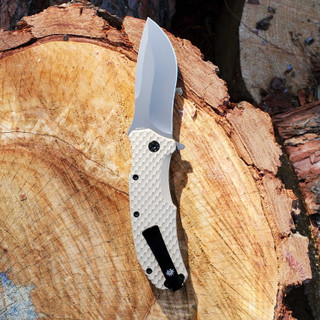
Built for reliability in rugged environments.
- Strong, durable blade
- Perfect for camping and backcountry adventures
4. SIDEKICK
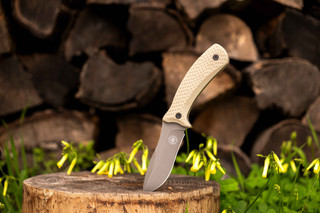
A lightweight and compact bushcraft companion.
- Easy to carry
- Great for precision tasks like carving and food prep
5. TRAILGUARD
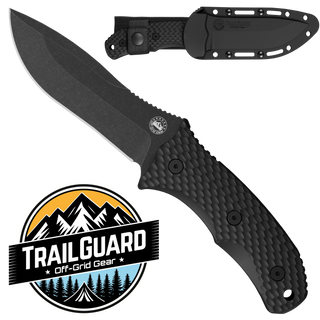
Designed for efficiency and control on the trail.
- Balanced blade for multi-purpose use
- Comfortable grip for extended sessions
6. CAIMAN XXL
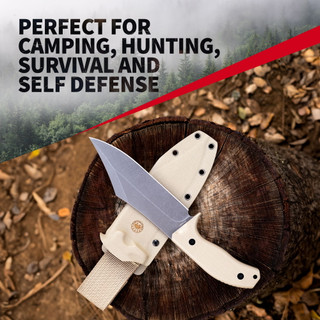
A rugged, oversized knife built for extreme conditions.
- Exceptional strength and durability
- Handles batoning and heavy tasks with ease
7. GRIZZLY V2

A dependable workhorse for serious bushcrafters.
- Tough blade with excellent edge retention
- Designed for long-term outdoor use
8. ALPHA DOG

A compact yet powerful tool for precision and control.
- Great ergonomics
- Reliable for detailed bushcraft work
How to Choose the Best Bushcraft Knife
When selecting your knife, consider your primary use:
- Beginner → Go for a smaller, controllable knife like SIDEKICK or ALPHA DOG
- All-around use → TRACKER X3 or BACKCOUNTRY V2
- Heavy-duty survival → TRACKER XXL or CAIMAN XXL
Also think about:
- Environment (wet vs dry conditions)
- Maintenance (easy sharpening matters in the wild
- Carry preference (belt vs pack)
Bushcraft Knife vs Survival Knife: What’s the Difference?
Although bushcraft knives and survival knives are often used interchangeably, they are designed with different priorities in mind. A bushcraft knife is built for precision and control, making it ideal for detailed tasks such as carving wood, creating feather sticks, preparing food, and crafting tools in the wilderness. These knives are typically smaller, lighter, and easier to handle, allowing for extended use without fatigue. The focus is on skill-based outdoor living, where accuracy and efficiency matter more than brute strength.
In contrast, a survival knife is designed to handle more demanding and unpredictable situations. It is generally larger, thicker, and more robust, making it better suited for heavy-duty tasks like chopping, prying, and emergency use. Survival knives are often built to be more versatile in extreme conditions, where durability and strength are critical. While a bushcraft knife excels in controlled outdoor tasks and fine work, a survival knife is geared toward high-impact scenarios where resilience and power are essential.
Essential Bushcraft Tasks Your Knife Should Handle
A quality bushcraft knife should be able to:
- Carve wood (feather sticks, tools)
- Start a fire using a ferro rod
- Process wood (batoning)
- Prepare food
- Build shelters
If your knife struggles with any of these, it’s not a true bushcraft tool.
Common Mistakes to Avoid
- Choosing a knife that’s too large or too small
- Ignoring handle comfort
- Picking the wrong steel for your environment
- Focusing on looks instead of functionality
Frequently Asked Questions
What size knife is best for bushcraft?
A blade between 4 to 5 inches is ideal for most bushcraft tasks.
Is a full tang knife necessary?
Yes. Full tang construction provides maximum strength and durability.
What is the best steel for a bushcraft knife?
Cryo D2 and 14C28N are excellent choices because they balance durability, edge retention, and maintenance.
Can a bushcraft knife be used for survival?
Absolutely. A high-quality bushcraft knife can handle most survival tasks effectively.
Do I need a large knife for bushcraft?
Not always. Smaller knives often offer better control and precision.