


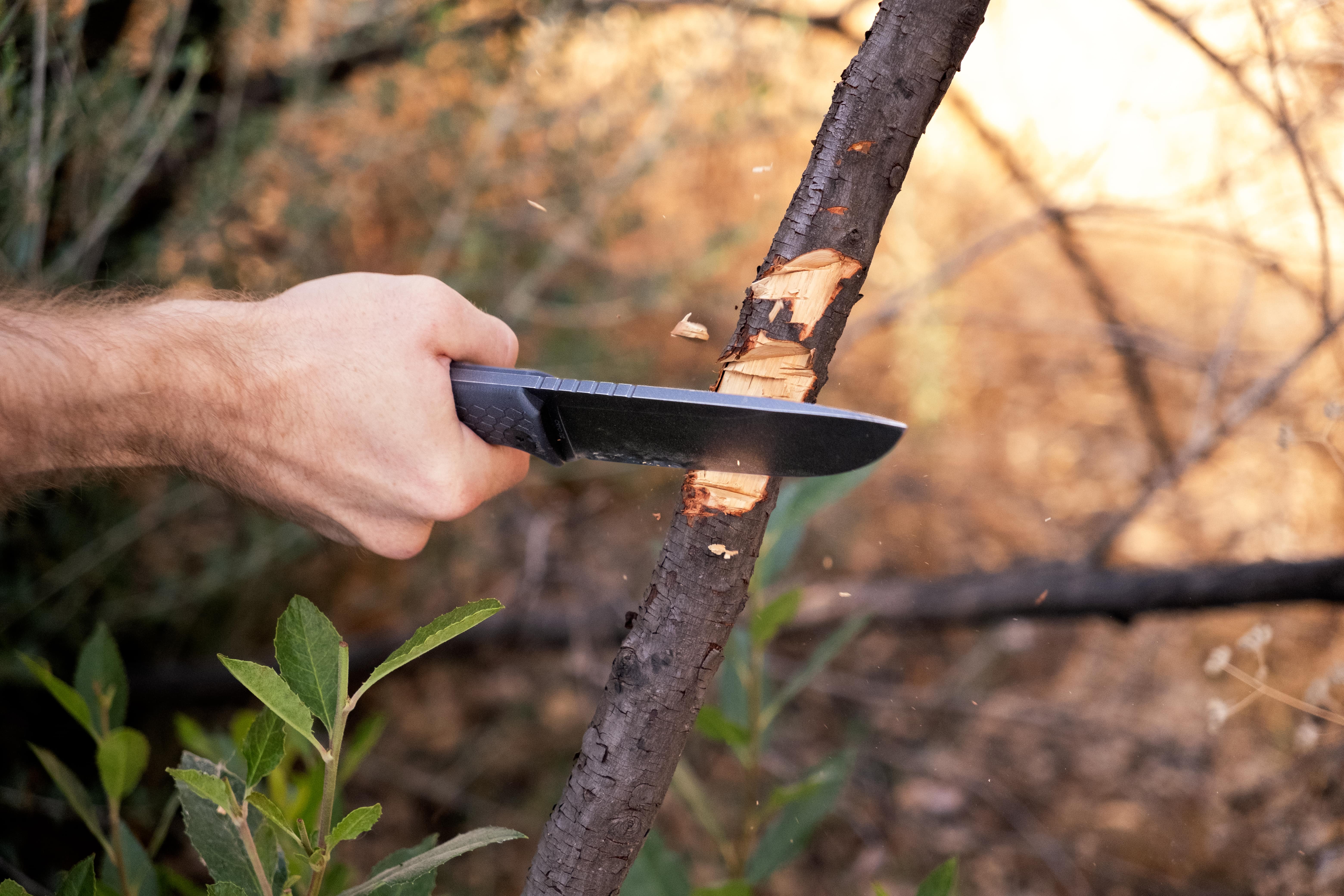
5 Best Knives for Overlanding: A Complete Buyer’s Guide
Posted by Emran Hossen on Mar 17th 2026
Overlanding is about self-reliant travel, remote exploration, and long days outdoors. When you are far from towns or services, the tools you carry become essential. One of the most important tools in any overlanding setup is a reliable outdoor knife.
A reliable knife is useful for many outdoor tasks, including setting up camp, preparing food, processing firewood, handling emergency repairs, and dealing with survival situations.
What Is an Overlanding Knife?
An overlanding knife is a durable, multi-purpose outdoor knife used during vehicle-based adventure travel. Overlanding involves long trips through remote areas using trucks, SUVs, motorcycles, or off-road vehicles. Travelers rely on their own equipment for camping, cooking, repairs, and safety.
Because of this environment, an overlanding knife must handle many different tasks, such as:
- Cutting rope or paracord
- Preparing firewood and kindling
- Cooking and food preparation
- Camp maintenance
- Emergency survival tasks
- Cutting branches or clearing brush
Most overlanders prefer fixed-blade knives with strong steel and ergonomic handles because they are easier to use for demanding tasks.
Why Every Overlander Needs a Reliable Knife
A dependable knife is an essential tool for any overlanding kit. When traveling through remote environments, simple tasks can quickly become difficult without proper equipment.
Below are some of the main reasons overlanders bring a reliable knife on their trips.
Camp Setup and Fire Preparation
Starting a fire is important for both cooking and staying warm. A good knife allows you to:
- Split small wood pieces
- Make feather sticks
- Prepare kindling
Food Preparation
Many overlanders cook meals at camp. A sharp knife makes it easier to:
- Slice vegetables
- Prepare meat
- Cut packaging or food supplies
Gear and Equipment Repairs
Overlanding gear often includes rope, webbing, zip ties, and straps. A knife helps you quickly:
- Cut cordage
- Modify gear
- Repair equipment
Emergency Situations
In survival scenarios, a knife may help with:
- Shelter building
- Cutting materials for repairs
- Creating tools
Key Features of the Best Overlanding Knife
Not every knife performs well in outdoor environments. The best overlanding knives share several important features.
Strong Full-Tang Construction
A full tang knife means the blade steel runs through the entire handle.
This design improves:
- Strength
- Durability
Stability during heavy cutting
Full tang knives are preferred for outdoor work because they can handle batoning and tough tasks.
Durable Blade Steel
Outdoor knives must maintain sharpness while resisting corrosion.
Popular steel types include:
- MagnaCut
- Cryo D2 steel
- 154CM stainless steel
- Vanax
These steels offer good edge retention and toughness, which are important for camping and survival use.
Practical Blade Length
The most versatile blade length for overlanding usually falls between:
4 to 6 inches
This size provides enough cutting power while still allowing precise control.
Comfortable Grip
The G10 and titanium handle materials are ideal for outdoor knives that must perform in wet, cold, or dirty conditions.
A good handle should provide:
- Secure grip
- Ergonomic shape
- Durable materials
Corrosion Resistance
Overlanding trips expose knives to moisture, dirt, and changing weather.
Quality outdoor knives use:
- Corrosion-resistant steel
- Protective blade coatings
Types of Knives for Overlanding
Different knife styles serve different purposes during outdoor travel.
Here are the most common knife types used by overlanders.
Fixed Blade Knives
Fixed blade knives are the most reliable option for overlanding.
They offer several advantages:
- Strong construction
- No moving parts
- Better performance for heavy task
Tracker XXL fixed-blade knife is ideal for firewood preparation, bushcraft, and campsite work.
Bushcraft Knives
Bushcraft knives are designed for traditional wilderness skills.
They are excellent for:
- Wood carving
- Fire starting preparation
- Shelter building
Folding Knives
Folding knives are compact and easy to carry.
They work well for:
- Light cutting tasks
- Opening packages
- Cutting cordage
Many overlanders carry a folding knife as a backup tool alongside a fixed blade.
Fixed Blade vs Folding Knife for Overlanding
Both knife types can be useful during an overlanding trip, but they serve different purposes.
Fixed Blade Knives
Advantages:
- Stronger construction
- Better for heavy tasks
- More reliable in outdoor conditions
Fixed-blade knives are ideal for wood processing, bushcraft, and survival use.
Folding Knives
Advantages:
- Lightweight
- Easy pocket carry
- Convenient for quick tasks
They are best used as secondary knives for everyday cutting tasks.
Most experienced overlanders prefer a fixed blade as their primary knife and a folding knife for smaller tasks.
Top 5 Overlanding Knives
Below are five excellent knives built for outdoor durability and performance. These models are designed to handle demanding environments and are commonly used by campers, survivalists, and overlanders.
Tracker XXL
The Tracker XXL is a large, heavy-duty survival knife built for serious outdoor work.
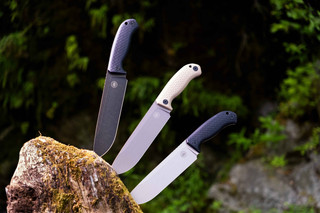
Its unique blade shape allows it to perform multiple functions such as:
- Chopping small branches
- Processing firewood
- Cutting thick materials
The forward blade section provides strong chopping ability, while the rear edge works well for controlled cutting.
Because of its size and durability, this knife is particularly useful during extended backcountry trips where tools must handle tough tasks.
Tracker X3
The Tracker X3 offers similar versatility in a slightly more compact design.
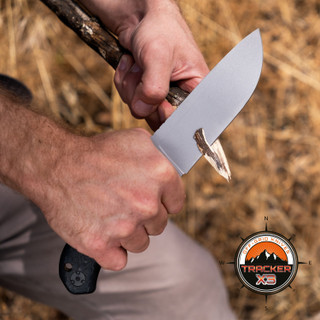
This knife works well for a wide range of overlanding tasks, including:
- Fire preparation
- Camp maintenance
- Wood carving
- General utility cutting
Its balanced blade size provides both cutting power and control. Many outdoor enthusiasts prefer knives in this size range because they are easier to carry while still capable of demanding work.
Polaris XL
The Polaris XL is a modern fixed blade knife designed for reliability and precision.
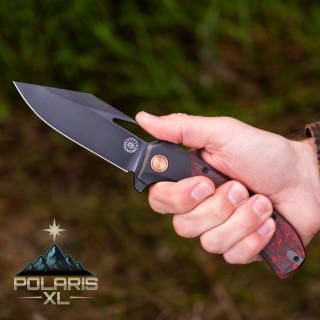
It performs well for common overlanding activities such as:
- Cutting rope or straps
- Food preparation
- Light bushcraft tasks
- Camp setup
Its blade design offers a good balance between slicing performance and strength. The ergonomic handle also helps maintain control during extended use.
BACKCOUNTRY COYOTE V2
BACKCOUNTRY COYOTE V2 is a rugged outdoor knife built for fast deployment and practical field use.
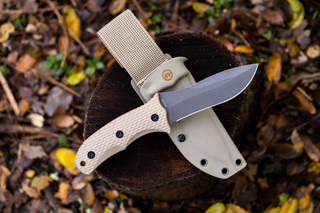
This knife is well-suited for:
- Camp utility tasks
- Gear cutting and repairs
- Outdoor survival work
Its design focuses on durability and efficient cutting performance. This makes it a useful tool for both everyday camp duties and unexpected outdoor challenges.
Stinger XL
The Stinger XL is a premium folding knife that performs well on outdoor cutting tasks
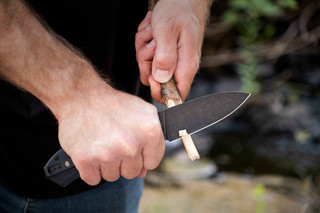
Despite its smaller size, it performs well for many outdoor tasks, including:
- Food preparation
- Cutting cordage
- Light wood processing
- Camp chores
Its manageable blade length makes it easy to carry during long trips while still offering dependable performance when needed.
How to Maintain an Overlanding Knife
Taking good care of your knife helps keep it sharp and reliable for many outdoor journeys.
Here are some straightforward tips for maintaining your knife.
Clean the Knife After Use
Outdoor settings can expose your knife to dirt, tree sap, and moisture.
After every trip:
- Wipe the blade to remove any dirt or debris
- Ensure the knife is completely dry
This routine helps stop rust and damage from forming.
Sharpen the Blade Regularly
A sharp knife is more effective and safer to use.
You can sharpen your knife using tools such as:
- Whetstones
- Guided sharpeners
- Portable field sharpeners
Keeping the blade sharp ensures it works well for all your outdoor tasks.
Protect the Blade
Applying a small amount of oil can help guard the blade from moisture and rust. This is especially important for knives made from high-carbon steel, as they are more likely to corrode if not protected.
Store the Knife Properly
After your trip, place your knife in a clean and dry area. Avoid keeping it in damp or humid places for long periods. If your knife has a leather sheath, make sure it is fully dry before putting the blade inside. Moisture trapped in the sheath can lead to rust over time.
Frequently Ask Question
Is a Survival Knife the Same as an Overlanding Knife?
Survival knives and overlanding knives are very similar because they are both made for use in the outdoors and emergency situations.
However, overlanding knives are often picked for their versatility when camping or traveling by vehicle. Survival knives, on the other hand, are usually built for extreme emergency situations. In many cases, a high-quality survival knife can be very useful for overlanding trips.
What Blade Length Is Most Practical for Overlanding?
For most overlanding activities, a blade length of 4 to 6 inches is considered the most practical. This size gives a good balance between power and control, making it suitable for many outdoor tasks.
Are Large Knives Better for Overlanding?
Not always. While bigger knives can be helpful for heavy jobs like cutting wood, they are often heavier and less precise for smaller tasks. Many experienced overlanders prefer medium-sized fixed-blade knives as they offer a good mix of strength and control. In most cases, a versatile knife is more practical than a very large one.
Can an Overlanding Knife Be Used for Bushcraft?
Yes, many overlanding knives are well-suited for bushcraft activities.
Common bushcraft tasks include:
- Making feather sticks
- Carving wooden tools
- Building shelters
- Preparing firewood
Since overlanding often involves camping in remote areas, having a knife that can handle bushcraft tasks can be very useful.
What Tasks Can an Overlanding Knife Perform?
An overlanding knife can help with numerous campsite and survival tasks, including:
- Preparing firewood and kindling
- Cutting rope, straps, and cordage
- Cooking and food preparation
- Repairing camp equipment and adjusting gear
- Carving wood tools
- Emergency survival situations
Should Beginners Carry a Large Survival Knife for Overlanding?
For beginners, a medium-sized fixed-blade knife is usually a better option than a large survival knife. A blade length of about 4 to 5 inches is easier to handle and offers enough versatility for most campsite tasks. Although large survival knives can be useful for heavy-duty work, they are often not needed for typical overlanding trips.